Bora Bora travel seasons at a glance
June-August - relative seasonal easing
Winter offers a lower seasonal sun angle, but tropical locations can still need substantial protection. This is not a measured low-UV travel window.
March-May and September-November
Autumn usually brings a falling sun angle and spring a rising one. Neither season is a blanket low-risk guarantee.
December-February
Southern summer generally brings the higher sun angle and greater seasonal exposure. Plan extended outdoor activities away from the local peak UV period.
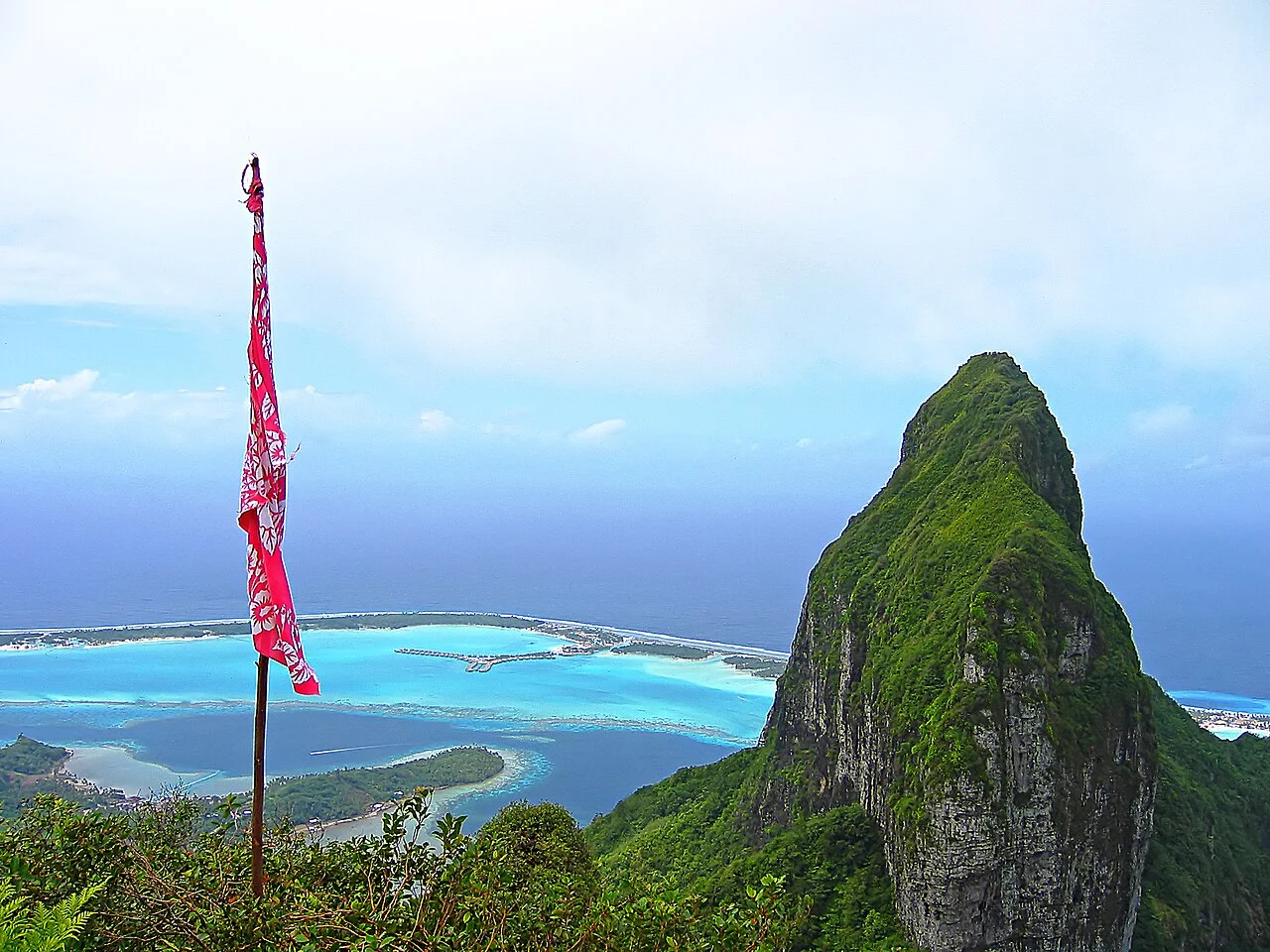
Lagoon boats, resort beaches and inland viewpoints on Bora Bora create different exposure patterns within one island. Plan protection during transfers, not just sunbathing.
Bora Bora is part of French Polynesia; this guide focuses on the island rather than the whole territory. The World Health Organization explains that sun elevation, latitude, altitude, cloud, ozone and reflection influence UV. Those physical factors underpin the broad seasonal comparisons here; they do not provide a measured monthly series for Bora Bora.
Bora Bora UV index by month - seasonal planning
This is an editorial, qualitative solar-season guide, not measured monthly UV averages, a weather calendar or a guarantee for a future travel date. Lower winter sun angles generally reduce seasonal exposure, but local conditions can alter the day. The linked monthly pages provide planning context; use the separate hourly forecast for actual protection times.
| Month | Seasonal outlook | Local caution | Plan your day |
|---|---|---|---|
| January | Higher seasonal sun angle | Tropical protection still matters | Bora Bora January UV |
| February | Higher seasonal sun angle | Tropical protection still matters | Bora Bora February UV |
| March | Autumn sun angle declining | Tropical protection still matters | Bora Bora March UV |
| April | Autumn sun angle declining | Tropical protection still matters | Bora Bora April UV |
| May | Autumn sun angle declining | Tropical protection still matters | Bora Bora May UV |
| June | Lower seasonal sun angle | Tropical protection still matters | Bora Bora June UV |
| July | Lower seasonal sun angle | Tropical protection still matters | Bora Bora July UV |
| August | Lower seasonal sun angle | Tropical protection still matters | Bora Bora August UV |
| September | Spring sun angle rising | Tropical protection still matters | Bora Bora September UV |
| October | Spring sun angle rising | Tropical protection still matters | Bora Bora October UV |
| November | Spring sun angle rising | Tropical protection still matters | Bora Bora November UV |
| December | Higher seasonal sun angle | Tropical protection still matters | Bora Bora December UV |
Best months for lower UV in Bora Bora
Start with your actual itinerary
Winter offers a lower seasonal sun angle, but tropical locations can still need substantial protection. This is not a measured low-UV travel window. Compare Bora Bora. Lagoon boats, resort beaches and inland viewpoints on Bora Bora create different exposure patterns within one island. Plan protection during transfers, not just sunbathing. Choose a base whose latitude and terrain match the activity you are planning instead of applying the same month rule everywhere.
Balance season with exposure time
A short protected outing can involve less exposure than hours outdoors during a supposedly better month. Look for a shaded route, covering clothing and flexibility to move a long walk or boat trip away from the local peak UV period. A shoulder-season booking does not remove the need to check UV each morning.
Worst months for UV exposure in Bora Bora
Southern summer generally brings the higher sun angle and greater seasonal exposure. Plan extended outdoor activities away from the local peak UV period. Here, best and worst refer only to managing sun exposure, not an overall verdict on visiting Bora Bora. This guide does not rank rain, cyclone risk, trail access, wildlife, prices or sea conditions. Check those independently when booking.
- Before a long excursion: Check the hourly UV forecast at the actual starting point; adjust for a higher route rather than copying a lowland city value.
- On exposed transport: Wear covering clothing and take a hat and sunglasses for open vehicles or boat decks.
- During swimming: Follow water-resistant sunscreen directions and reapply after swimming, sweating or towelling. Time in water is not a substitute for shade.
Regional UV differences across Bora Bora
Bora Bora
16.5 degrees south
Lagoon boats, resort beaches and inland viewpoints on Bora Bora create different exposure patterns within one island. Plan protection during transfers, not just sunbathing.
Bora Bora local UVLagoon boats, resort beaches and inland viewpoints on Bora Bora create different exposure patterns within one island. Plan protection during transfers, not just sunbathing. Bora Bora is part of French Polynesia; this guide focuses on the island rather than the whole territory.
Sun protection for your Bora Bora trip
WHO recommends sun protection at UV 3 or above. Use several measures together rather than relying on sunscreen alone. Protection may also be sensible during prolonged exposure or around reflective surfaces when the index is lower.
- Cover: Choose clothing that covers shoulders, arms and legs, a broad-brimmed hat and UV-protective sunglasses.
- Use shade: Move extended activities away from peak UV and take shaded breaks. Scattered cloud and cool breezes do not reliably remove UV.
- Apply sunscreen: Use broad-spectrum SPF 30 or higher, follow local health guidance and the product label, and reapply every two hours and after swimming, sweating or towelling.
- Protect children: Plan shade and covering clothing first; do not wait for reddening before changing the day's schedule.
Burn-time estimates are approximate, not a guaranteed safe exposure allowance. Skin damage can occur before visible burning. Sunscreen does not make unlimited exposure safe. This is general travel information, not individual medical advice.
Plan your Bora Bora trip with local forecasts
Live check
Bora Bora UV right now
Pick a place to see its current UV and an estimated burn time without leaving this guide.
Estimates are approximate, not a safe exposure limit.
Full Bora Bora forecast and hourly UVCompare Bora Bora using your saved skin and protection preferences. Change the live box to match your base, then open the full forecast for the hourly picture. For another itinerary, explore all destinations or destinations by month.
Bora Bora UV travel questions
Which months should I consider for lower UV in Bora Bora?
Winter offers a lower seasonal sun angle, but tropical locations can still need substantial protection. This is not a measured low-UV travel window. Bora Bora is part of French Polynesia; this guide focuses on the island rather than the whole territory. The table is seasonal context, not a measured daily or monthly value.
Can I still get sunburned during a cooler trip?
Yes. Temperature does not measure UV, and risk depends on the day's index, skin response, time outside and protection. Wind, swimming and shade between activities can make exposure less obvious.
Can I use one city forecast for the whole trip?
No. Lagoon boats, resort beaches and inland viewpoints on Bora Bora create different exposure patterns within one island. Plan protection during transfers, not just sunbathing. Use the actual location for the day and check again when changing base or elevation. The live forecast and monthly planning pages serve different purposes.
What SPF should I pack for Bora Bora?
Use broad-spectrum SPF 30 or higher with clothing, shade, a hat and sunglasses; follow local health advice and product directions. Reapply as directed. A larger SPF number is not permission to stay outside indefinitely.
Sources and how to use this guide
Published November 10, 2026. Seasonal labels are editorial interpretations of solar angle and geography, not a measured national UV dataset. No numerical monthly average, fixed protection window or regional exposure score is claimed. WHO sources explain general UV science and protection; they do not independently validate this destination's monthly outlook. Open-Meteo powers the separate live forecast, not this seasonal table.
- WHO - ultraviolet radiation explains latitude, sun elevation, altitude, cloud and reflection, plus the UV 3 protection threshold.
- WHO - the ultraviolet index explains how the index varies through the day and informs protection.
- Open-Meteo - forecast documentation describes the data service used for the live UV check.